The rise of "Care-cations" in South Korea: Beauty + Travel

April 6, 2026

The Rise of "Care-cations" in South Korea: Beauty + Travel

In 2026, a new travel category has officially dominated the South Korean tourism market: the "Care-cation." A blend of "care" (medical/aesthetic) and "vacation," this trend reflects a shift from traditional sightseeing to a holistic travel experience where the primary itinerary is built around skin regeneration, wellness, and self-care. With over 1.5 million international visitors expected for aesthetic purposes this year, Korea has moved beyond being just a "clinic destination" to a place where medical treatments are seamlessly integrated into luxury travel and cultural exploration.


The "Care-cation" Philosophy

The 2026 Care-cation is defined by "Low-Impact, High-Result" itineraries. Instead of rushing between landmarks, travelers are choosing slow-paced schedules that prioritize the skin's healing cycle.

  • The Clinical Base: The trip usually centers around a "Big Treatment" (like Juvelook, Exosome therapy, or Ultherapy) performed in the first 48 hours.
  • The Recovery Path: The remaining 4 to 5 days are spent in "low-UV" environments—visiting indoor art galleries, traditional tea houses, and high-end spas that offer post-laser calming rituals.


Key Destinations for the 2026 Care-cation

While Seoul remains the hub, "Care-cations" have expanded to regions that offer more "Healing" (Heal-ling) vibes:

  • Jeju Island: Emerging as the premier "Medical Resort" destination. Travelers fly to Jeju for specialized "Oxygen Therapy" and wellness retreats that combine clinical dermatology with the island's clean air and volcanic water spas.
  • Gangnam/Sinsa (Seoul): The "Boutique Stay" capital. Many travelers now book luxury serviced apartments (like Episode or Oakwood) that allow for private, in-room recovery while being minutes away from the world's top clinics.
  • Incheon/Songdo: Ideal for those on short 3-day trips. Songdo’s "Bio-Cluster" clinics offer rapid, high-tech treatments just 20 minutes from the airport, surrounded by modern parks and quiet canals.


Trending Care-cation Activities

To fill the "Downtime" between clinic visits, 2026 travelers are gravitating toward:

  • Hanbang (Traditional Medicine) Spas: Integrating modern lasers with ancient Korean herbal medicine. Many find that Hanbang scalp treatments or body wraps significantly reduce post-procedure inflammation.
  • Personal Color & Makeup Mapping: Before or after a skin treatment, visitors book AI-powered "Personal Color" sessions to find the exact makeup and hair colors that complement their newly refined skin tone.
  • Temple Stays (Light Version): Quiet, meditative stays at temples near Seoul (like Bongeunsa) provide the perfect stress-free environment for skin cells to regenerate away from urban pollution.


The "Smart Recovery" Tech of 2026

Care-cations are supported by a new wave of digital tools:

  • Recovery Tracking Apps: Many clinics now provide patients with a "Post-Care App" that monitors skin redness via photos and suggests the best nearby "UV-Safe" cafes or indoor museums based on the user's current GPS.
  • Home-Care Device Rentals: In 2026, some luxury hotels in Seoul offer rentals of high-end Korean LED masks or ultrasound devices so you can continue your professional treatment in your hotel room.


Why 2026 is the Year of the Care-cation

Several factors have converged to make this the peak year for beauty-focused travel:

  • Affordability: Even with the rise in global travel costs, the "Procedure + Flight + Hotel" package in Korea remains 40–60% cheaper than getting the same medical-grade treatments in the US or Europe.
  • Holistic Integration: Clinics are no longer "white-walled offices." They are designed like luxury lounges with botanical gardens, meditation rooms, and specialized cafes serving "Skin-Nutrition" juices.
  • Cultural Trust: The global trust in "K-Expertise" has reached an all-time high, with Korean dermatologists being recognized as the leading authorities on "Pre-juvenation" (preventative anti-aging).


Planning Your Own Care-cation

If you are planning a 2026 trip, follow the "3-2-2 Rule":

  • 3 Days of Treatment: Heavy lasers and injections.
  • 2 Days of Culture: Museums, indoor malls, and "Shadow Sightseeing."
  • 2 Days of Wellness: Scalp massages, traditional tea, and final skin check-ups.


Final Thoughts

The Care-cation represents the future of tourism—a move toward "Meaningful Beauty." In 2026, you don't just visit Korea to see the sights; you visit to return home as a refreshed, more confident version of yourself. It is a journey where the souvenir isn't just a shopping bag from Myeongdong, but a lasting, healthy glow that serves as a permanent reminder of your time in Seoul!
April 6, 2026
Planning a Winter Skincare Trip to Seoul: Dealing with Dry Clinic Skin In 2026, the "Winter Glow Trip" has become a strategic favorite for travelers who want to avoid the summer sun, but it comes with a unique challenge: the Double-Dry Effect . Between Seoul’s sub-zero outdoor humidity and the intense indoor heating (Ondol) used in clinics and hotels, your skin barrier is under constant attack. If you are receiving treatments like lasers or peeling, your skin’s ability to retain moisture is temporarily compromised, making it feel tight, "chapped," or flaky. Success in the winter depends on moving from simple hydration to "Active Barrier Sealing." 1. The "Golden Hour" of Post-Clinic Hydration The first 60 minutes after you leave a clinic in winter are the most critical. The Transition Shock: Stepping from a warm, humid clinic into the biting, dry Seoul wind can cause immediate "transepidermal water loss" (TEWL). The Shield: Before leaving the clinic building, apply a thick layer of a barrier-repair cream. In 2026, the gold standard is Aestura Atobarrier 365 or Rejuran Moisture Cream , which use specialized capsules to mimic your skin's natural lipids. Physical Protection: Wear a silk or soft cotton mask. It’s not just for health; it creates a micro-climate of warm, humid breath that protects your treated cheeks from the freezing wind. 2. Pharmacy Essentials: The "K-Med" Reset Before you head to your hotel, stop at a local pharmacy (Yak-guk). In 2026, several medical-grade ointments have gone viral for winter recovery: Rejuvenex PDRN Cream: Known as the "Panda Cream," this is a salmon-DNA derived ointment that physically seals the skin while accelerating cell regeneration. Hanmi Pro-Calm Red X: If the winter wind makes your post-laser face feel flushed or purple, this Vitamin K-based cream helps strengthen blood vessels and reduce bruising. Noscarna Gel: Essential if you had acne treatments; it prevents the dry winter air from turning healing spots into permanent scars. 3. Managing the "Ondol" (Floor Heating) Air Korean hotels and Airbnbs use floor heating that makes the air incredibly dry. The Humidifier Hack: Most 2026 "Care-cation" friendly hotels (like Andaz or L7 ) provide humidifiers upon request. If they are out, soak two large towels in water and hang them near your bed before sleeping. Lower the Temp: It’s tempting to crank the heat to 26°C, but keeping your room at a steady 20–22°C will significantly reduce skin dehydration. The "Sleeping Pack": Apply an occlusive "slugging" layer—like Centellian 24 Madeca Cream —over your moisturizer at night to lock everything in. 4. Best Winter-Friendly Treatments Since the air is so dry, 2026 dermatologists suggest "Hydration-First" stacking: LDM Triple Water Toning: This should be your "Anchor" treatment. It uses ultrasonic waves to pull moisture into the deep layers of the dermis, making your skin more resilient against the cold. Juvelook or Exosomes: These "Skin Boosters" are better in winter than harsh resurfacing lasers because they heal the skin from the inside out, rather than stripping the surface. Avoid: Deep chemical peels or aggressive Fraxel unless you plan to stay strictly indoors with a humidifier for at least 4 days. 5. The "Winter Glow" Shopping List When you hit Olive Young in Myeongdong or Gangnam, look for these 2026 winter heroes: Panthenol & Ceramides: These are the only two ingredients that matter when your skin is peeling from the cold. Oil-Based Cleansers: Switch from foam to a "Cleansing Balm" to avoid stripping your natural oils during the nightly wash. Lip Barrier Balms: Your lips will peel faster than your face in Seoul. Look for Torriden or Laneige intensive overnight masks. 6. Diet & Internal Hydration Skip the 4th Coffee: Caffeine is a diuretic that can worsen skin dryness. Swap your afternoon Americano for Omija tea (magnolia berry) or Ginseng tea , which are traditional Korean remedies for boosting circulation and skin vitality. The "Soup" Strategy: Enjoying hot Samgyetang (Ginseng Chicken Soup) provides a natural dose of collagen and hydration that supports your clinic results from the inside. Final Thoughts A winter skincare trip to Seoul is the ultimate "Internal Glow" mission. While the weather is harsh, the lack of intense UV rays makes it the safest time for pigment removal and deep lifting. As long as you treat your moisturizer as a shield and your mask as a micro-climate , you’ll return home with the coveted "Chok-Chok" dewy look that thrives even in the coldest climates!
April 6, 2026
Is it Safe to Get Skincare Treatments in Seoul During Summer Heat? In 2026, the short answer is yes , but it requires a significantly different post-care strategy than a winter visit. Seoul’s summers are notoriously humid and hot, with intense UV indexes that can pose a risk to freshly treated skin. While the heat itself isn't a barrier to the procedure, the sweat, humidity, and sun exposure during recovery can increase the risk of Post-Inflammatory Hyperpigmentation (PIH). To stay safe, the 2026 "Summer Protocol" focuses on heat management and physical UV blocking. The "Heat vs. Healing" Factor Many advanced lasers (like Thermage or Fraxel) work by creating controlled thermal damage to stimulate collagen. The Risk: In the peak of a Seoul summer (July–August), your body is already struggling to cool down. Adding laser heat to an already overheated system can lead to prolonged swelling or "heat rash" around the treatment area. The Solution: Clinics in 2026 have upgraded their "Cooling Stages." Expect longer sessions with Cryo-cartridges or ICING machines immediately after your laser to bring the skin's surface temperature back to normal before you step outside. UV Protection: Beyond Sunscreen In 2026, relying solely on chemical sunscreen after a summer laser treatment is considered insufficient. The "Physical" Mandate: Post-laser skin is hypersensitive. Chemical filters can sometimes sting or irritate open micro-channels (like those from Potenza or Microneedling). What to Wear: Use a Zinc Oxide-based physical sunblock which reflects light like a mirror. The Accessory Rule: You must use a UV-shielding umbrella (Yang-san) or a wide-brimmed "recovery hat." In Gangnam, it is 100% normal to see people walking with umbrellas on a sunny day—it’s the ultimate sign of a skincare pro. Managing Humidity and Sweat Seoul's summer humidity can reach over 80%, which creates a breeding ground for bacteria. The Infection Risk: Sweat dripping into micro-incisions or injection sites (like Rejuran) can lead to minor breakouts or irritation. The Protocol: For the first 48 hours, avoid heavy outdoor walking. Stick to the "Indoor Mall-Crawl" strategy at The Hyundai Seoul or COEX , where the air is filtered and chilled. Cleansing: Switch to a pH-balanced, medical-grade foam cleanser provided by the clinic to ensure sweat and sebum are removed without stripping the skin’s weakened barrier. Best Summer-Friendly Treatments If you are visiting during the peak heat, some treatments are "safer" than others: High Safety: Botox, Fillers, and Skin Boosters (Injectables). These don't rely on heat and have no risk of sun-induced pigment changes. Medium Safety: Ultherapy or Shurink (HIFU). Since these target the deep muscle layers and leave the surface skin intact, the UV risk is lower. High Caution: CO2 Lasers or Deep Peels. Anything that "ablates" or removes the top layer of skin should be managed with extreme care. If you get these, you should plan to stay indoors for at least 3 days. The 2026 "Cooling" Kit If you are doing a summer "Care-cation," your bag should include: Portable Handheld Fan: To keep the face cool while waiting for a taxi. Soothing Mist: A nitrogen-based thermal water spray to calm "flushing" throughout the day. Cooling Patches: Many Seoul pharmacies sell hydrogel patches that you can wear on your neck to help lower your overall body temperature. PDRN Sheet Masks: Keep these in your hotel mini-fridge and apply one every night to repair the barrier damaged by both the laser and the sun. Timing Your Visit Late Afternoon Appointments: Schedule your clinic visit for 4:00 PM or later. By the time you finish, the sun will be setting, allowing you to walk to your hotel or dinner without peak UV exposure. Avoid "Active" Tanning: If you have a visible, active sunburn or a fresh tan from a beach trip, most board-certified dermatologists in 2026 will refuse to perform laser treatments, as the risk of burning the skin is too high. Final Thoughts Summer is actually a great time for a "Glow-up" because the humidity keeps the skin naturally hydrated, which can aid recovery for certain boosters. As long as you respect the "Shadow Rule" and prioritize cooling, you can safely achieve your skin goals in the middle of a Seoul heatwave. Just remember: in the summer, your hat and your umbrella are just as important as your doctor’s expertise!
April 6, 2026
Can I Bring a Friend or Partner to Watch My Treatment? In 2026, the policy regarding companions in the treatment room varies significantly depending on the "style" of the clinic you choose. While Seoul is incredibly welcoming to international duos, the high-efficiency nature of Gangnam and Hongdae clinics means that space and medical protocol often dictate who can enter the procedure area. In general, friends are encouraged to stay in the luxury waiting lounges, but there are specific ways to ensure your partner can be part of the experience if you plan ahead. The "Lounge Culture" Standard Most clinics in Seoul are designed with high-end, cafe-style waiting areas specifically for companions. The Experience: It is standard for partners to wait in the lounge where they are provided with free Wi-Fi, premium coffee, and sometimes even specialized "Skin-Safe" snacks. Why the Lounge? Procedure rooms in 2026 are often packed with high-tech equipment, cooling fans, and multiple laser towers, leaving very little physical space for a third person to stand safely. Communication: Your coordinator will usually come to the lounge to update your friend once your treatment is finished. When Can a Friend Enter the Treatment Room? There are three main scenarios where a companion is permitted to watch: Private "VIP" Rooms: If you book a "Solo VIP Room" (common in Cheongdam or premium Myeongdong branches), these are large enough to accommodate a guest chair. In these private suites, partners are usually welcome to sit and chat with you during non-surgical treatments like facials or IV drips. Translation Needs: If the clinic does not have a dedicated translator for your specific language and your friend is acting as your interpreter, they are almost always allowed into the consultation and treatment rooms. Consultation Phase: Almost all clinics allow your partner to join you during the initial 3D Skin Analysis and doctor consultation to help ask questions or take notes. The "Laser Safety" Restriction The biggest barrier to having a friend watch a treatment is medical safety, specifically regarding Lasers . Eye Protection: Procedures like Pico Toning or Ultherapy require everyone in the room to wear specialized, high-density protective goggles. Most clinics only have enough sets for the medical staff and the patient. Sterile Environment: For "Skin Boosters" (injections like Rejuran or Juvelook), the room must remain as sterile as possible. Extra people increase the risk of airborne contaminants or accidental bumps during precise needle work. 👉 Note: If your friend is also a patient, clinics often try to book you in side-by-side beds in a shared "Treatment Hall," which is a fun way to experience the process together. Can My Friend Take Photos or Videos? In the age of social media, 2026 clinics have specific rules for "Content Creation": The "Doctor's Consent" Rule: You must ask the doctor before the laser starts: "Is it okay if my friend films the first 10 seconds for my vlog?" Privacy Laws: Korea has strict privacy laws. You and your friend must ensure that no other patients or staff members' faces are visible in the background of your videos. No-Tripod Policy: To keep the walkways clear for nurses, handheld filming is usually okay, but setting up tripods or ring lights is generally forbidden unless you have pre-arranged a "Media Visit." The "Care-cation" Companion Strategy If you are traveling as a pair, the best way to handle the appointment is the "Sequential Booking" : Book Back-to-Back: Book your appointments 30 minutes apart. The Tag-Team: While you are getting your 30-minute numbing cream applied, your friend can do their consultation. The Shared Recovery: Once both are done, you can head to the "Recovery Zone" together to enjoy a cooling mask side-by-side. 👉 Benefit: This turns the medical visit into a shared social activity rather than one person sitting alone for two hours. How to Ask the Clinic When booking via WhatsApp or KakaoTalk, use this phrase to clarify their 2026 policy: "I am traveling with a partner. Does your clinic have private rooms where my partner can sit with me during the procedure, or is there a comfortable waiting lounge for them?" Final Thoughts While you might want your friend by your side for moral support, the best "Care-cation" experience in 2026 usually involves them relaxing in the high-tech lounge while you focus on your treatment. If having them in the room is a deal-breaker, prioritize "Boutique" or "Private" clinics over "Factory" clinics. In Seoul, patient comfort is the priority, so as long as it’s safe, most clinics will do their best to accommodate your duo!
April 6, 2026
Getting from Incheon Airport Straight to Your Gangnam Clinic In 2026, the journey from Incheon International Airport (ICN) to the medical district of Gangnam has been optimized for international patients. Depending on your arrival time and luggage situation, you have four primary ways to reach your clinic. While the subway is the most budget-friendly, most patients arriving for aesthetic treatments prefer the Airport Limousine Bus or a Private Transfer to avoid navigating transfers with heavy bags. The journey typically takes between 60 to 90 minutes depending on Seoul's infamous traffic. 1. The Premium Choice: Airport Limousine Bus (6009) This is widely considered the best balance of comfort and cost for those heading to Gangnam. The Route: The 6009 Bus is the dedicated line for Sinsa, Sinnonhyeon, and Gangnam Stations. Boarding: * Terminal 1: Platform 4A (1st Floor Arrivals). Terminal 2: Platform 15 (Basement 1 Transportation Center). Why it’s great: You don't have to carry your luggage; the driver stows it in the lower compartment. The seats are oversized "limousine" style, allowing you to rest before your consultation. Cost: ₩17,000. You can buy tickets at the indoor kiosks or use a T-Money card. 👉 Pro Tip: In 2026, the 6009 runs every 15–20 minutes. If you land after 11:00 PM, look for the N6000 or N6703 Night Buses. 2. The VIP Choice: Private Transfer / International Taxi If you want a "Meet & Greet" service where a driver holds a sign with your name, this is the way to go. International Taxi: These are Seoul’s official government-designated taxis for foreigners. The drivers speak English and offer flat rates to Gangnam (ranging from ₩70,000 to ₩95,000 depending on the vehicle size). Private Vans: Services like Klook or KoreaTravelEasy allow you to book a private van in advance. This is ideal if you are traveling with a friend or have more than three suitcases. The Benefit: Door-to-door service. The driver will drop you exactly at the entrance of your clinic’s "Medical Tower," saving you from navigating the busy Gangnam sidewalks. 3. The Budget Choice: AREX + Subway If you are traveling light and want to avoid traffic, the train is the fastest option. The Route: Take the AREX All-stop Train from the airport and transfer at Gimpo Airport Station to the Line 9 (Express) . The Destination: Line 9 stops directly at Sinnonhyeon Station , which is the heart of the Gangnam dermatology hub. Cost: Approx. ₩5,000. 👉 Warning: Do not take the "Express AREX" to Seoul Station if your clinic is in Gangnam; it takes you too far north and requires a difficult transfer. Stick to the Line 9 transfer at Gimpo Airport for the most direct route. 4. The 2026 Night Owl: Late-Night Buses If your flight lands between midnight and 4:00 AM, the standard buses and trains stop running. N6000: Goes to the Gangnam Express Bus Terminal. N6703: Goes directly to the COEX/Samsung area and major Gangnam hotels. Taxi Surcharge: Standard taxis are available 24/7, but be prepared for a late-night surcharge (20–40%) which can bring the total fare to over ₩100,000. Navigating the "Last Mile" in Gangnam Once you arrive at Gangnam or Sinnonhyeon Station: The Building Entrance: Gangnam clinics are rarely on the street level. Use Naver Map to find your building. Look for the "Floor Guide" at the elevator—clinics are usually between floors 3 and 15. Luggage Storage: If your appointment is before your hotel check-in, most clinics have a secure "Luggage Room" specifically for international patients. Just ask the receptionist: "Can I store my suitcase until my treatment is finished?" Summary Checklist T-Money Card: Buy one at the airport convenience store (CU or GS25) if you plan on using the bus or subway. KRW Cash: While cards are king, it’s useful to have ₩50,000 in cash for small emergencies or older taxi meters. Naver Map: Have the clinic's address saved in Korean and English. Wi-Fi/eSIM: Ensure your data is working before you leave the Arrivals Hall so you can track your bus in real-time. Final Thoughts For most people, the 6009 Limousine Bus is the "Gold Standard"—it’s easy, comfortable, and drops you right in the middle of the medical action. If you are arriving with a lot of luggage or are feeling exhausted from a long-haul flight, splurging on a Private Transfer is an investment in your comfort that starts your beauty journey on a high note!
April 6, 2026
How to Avoid Being Scammed by Illegal Aesthetic Brokers In 2026, the South Korean government has launched a nationwide crackdown on illegal medical intermediaries to protect the growing number of international patients. An "Illegal Broker" is any individual or agency that refers patients to clinics for a commission without being officially registered with the Ministry of Health and Welfare (MOHW) . These brokers often inflate prices by up to 50% to cover their "hidden" fees and frequently direct patients to low-quality "Shadow Clinics" where junior doctors perform surgeries instead of the promised experts. Protecting yourself requires verifying credentials before you share any personal or financial data. 1. The "Registration Search" Verification Every legal medical tourism agency in Korea is issued a formal registration certificate by the government. The Official Database: Before booking, ask the agency for their Registration Number for Attraction of Foreign Patients . You can verify this number on the official Medical Korea website (run by the Korea Health Industry Development Institute). The "Registered Institution" Mark: Legal agencies and clinics are required to display a specific government-issued emblem on their websites. If you don't see an official registration number starting with "A-" (for agencies) or "M-" (for medical institutions), proceed with extreme caution. 👉 Pro Tip: In 2026, many legal agencies now provide a QR code that links directly to their government certification page. 2. Red Flag: Unrealistic "Guaranteed" Results In the medical world, there is no such thing as a 100% guarantee. The Scam: Brokers often use aggressive emotional marketing, promising "perfect" results or "zero scars." The Reality: Ethical, registered agencies will always provide a "Consent for Treatment" form that clearly outlines potential risks, side effects, and realistic recovery timelines. If an agent refuses to discuss the possibility of complications, they are likely more interested in your deposit than your safety. 3. Red Flag: Untraceable Payment Demands How you are asked to pay is one of the biggest indicators of a scam in 2026. The Scam: Illegal brokers often demand full payment or large deposits via Personal Bank Transfers, Cryptocurrency, or Cash-only transactions that leave no paper trail. The Safe Way: Legitimate clinics and agencies will provide an official invoice. Payments should be made to a Corporate Business Account that matches the name of the clinic or registered agency. 👉 Warning: Avoid any "broker" who asks you to bring large amounts of cash to be handed over in a cafe or hotel lobby. 4. The "Price Inflation" Test Illegal brokers survive on "excessive referral fees," which are often added on top of the clinic's standard price. How to Check: Cross-reference the price you are quoted with the clinic’s official English website or a verified booking app like YeoTi or UNNI . The 2026 Standard: In the current market, the price quoted by a legal agency should be the same as or very close to the price you would get by walking into the clinic directly. If there is a massive discrepancy, the broker is likely skimming a secret commission. 5. Red Flag: Pressure to "Book Now" Scammers rely on a sense of false urgency to prevent you from doing your own research. The Tactic: "This 50% discount is only valid if you pay the deposit in the next 2 hours." The Defense: Reputable Seoul clinics have consistent pricing. While they may have monthly promotions, they will never pressure a patient into a medical procedure under a ticking clock. A legitimate coordinator will encourage you to take 24–48 hours to review the treatment plan. 6. Verifying the "Shadow Doctor" Protection Illegal brokers often partner with "Factory Clinics" that use shadow doctors (ghost surgeons). Ask the Question: Directly ask your agent, "How does this clinic guarantee that the doctor I consult with is the same one performing the laser/surgery?" The 2026 Solution: Many registered clinics now offer CCTV Monitoring or "Real-Time Surgery Viewing" for family members to ensure the primary doctor is the one in the room. If a broker discourages you from asking about CCTV or doctor verification, they are likely hiding something. 7. The "No Medical Consultation" Warning A broker is a middleman, not a doctor. The Scam: If a broker "diagnoses" your skin or recommends specific laser settings without first sending your photos to a medical professional, they are acting illegally. The Safe Way: A legal agency will always say, "I will send your photos to the head dermatologist for a preliminary opinion." They should never make medical promises on their own authority. Final Thoughts The most effective way to avoid a scam in 2026 is to stay within the official ecosystem. Use only agencies and clinics that are registered with the Ministry of Health and Welfare. If a deal feels too good to be true, or if an individual is messaging you privately on social media with "exclusive" discounts, it is almost certainly an illegal brokerage attempt. Your skin is an investment—don't let an unregistered middleman put it at risk!
April 6, 2026
Should You Use a Medical Tourism Agency or Book Direct? In 2026, the South Korean aesthetic market is more accessible than ever, but the sheer volume of choices—with over 1,200 clinics in Seoul alone—has made the decision between using an agency or booking directly a central part of trip planning. The right choice depends on your budget, your medical needs, and how much "mental heavy lifting" you want to do. While younger, tech-savvy travelers are increasingly booking directly through apps, those undergoing complex procedures or seeking a luxury experience often find that a government-certified agency is an essential safeguard. The Case for Booking Direct (The Independent Path) If you are visiting for routine maintenance like Botox, simple lasers, or skin boosters, booking direct is often the most efficient route. Cost Efficiency: Booking directly via a clinic’s official messaging app or a specialized K-beauty platform can be 10–20% cheaper by avoiding any potential service premiums. Total Control: You choose your own flight, hotel, and recovery activities without being tied to an agency’s pre-approved list. Modern Transparency: Most top clinics in Gangnam and Hongdae now have dedicated English-speaking coordinators. If a clinic has a robust social media presence and clear English pricing, a middleman is often unnecessary. 👉 Best For: Travelers on a budget, those getting non-invasive treatments, and repeat visitors who already know their way around Seoul. The Case for Using an Agency (The VIP Path) For major transformations or first-time visitors, a government-licensed medical tourism agency acts as your professional advocate. Safety and Vetting: Agencies monitor clinic safety records and surgeon certifications. They are a primary defense against "Shadow Doctors" by ensuring the head surgeon you requested is the one performing the procedure. End-to-End Logistics: They handle airport transfers, hotel bookings near the clinic, and even pharmacy runs for your post-care medications. The Concierge Model: Many top agencies operate on a commission basis from the clinics, meaning their support services are often provided at no extra cost to the patient while maintaining official clinic pricing. 👉 Best For: First-timers, those undergoing major surgery (Rhinoplasty, Facelifts), or anyone who wants a hands-off experience where all logistics are handled. The 2026 Trend: Hybrid Booking Apps A middle ground has emerged through specialized digital platforms that aggregate hundreds of clinics. What they are: Apps that allow you to compare live prices, read verified reviews from international patients, and book directly with a few taps. The Benefit: You get the curated feel of an agency with the direct pricing of a solo traveler. Reward Programs: Many of these platforms now offer cashback points that can be used for other Seoul activities like hair salons or specialized cafe tours. Red Flags to Watch For Regardless of which path you choose, the 2026 market has a few warning signs to keep in mind: Unlicensed Brokers: In Korea, it is illegal to act as a medical broker without a government license. Always verify a provider's registration with the Ministry of Health and Welfare. Large Upfront Fees: If an agency asks for a significant consultation fee before even suggesting a clinic, proceed with caution. Most reputable agencies offer free initial consultations. Extreme Discounting: If a direct price or agency package is 50% lower than the average in Gangnam, the provider may be cutting corners on equipment or using unlicensed staff. How to Decide: The 3-Question Test Ask yourself these three questions to determine your path: Is the procedure invasive? Surgery and thread lifts often benefit from an agency, while lasers and Botox are easy to book direct. How is your comfort with local logistics? If you prefer having a dedicated driver and translator, an agency is the better choice. Do you have time for research? If you enjoy hunting for the best deal and reading reviews, booking direct is highly rewarding. Final Thoughts There is no wrong way to book, only the way that fits your comfort level. If you feel confident navigating Seoul’s digital landscape, booking direct is incredibly empowering. However, if you are investing in a major procedure and want the peace of mind that comes with a professional guide for your beauty journey, a medical tourism agency is worth the consideration. Choose the path that lets you focus on your results and your recovery!
April 6, 2026
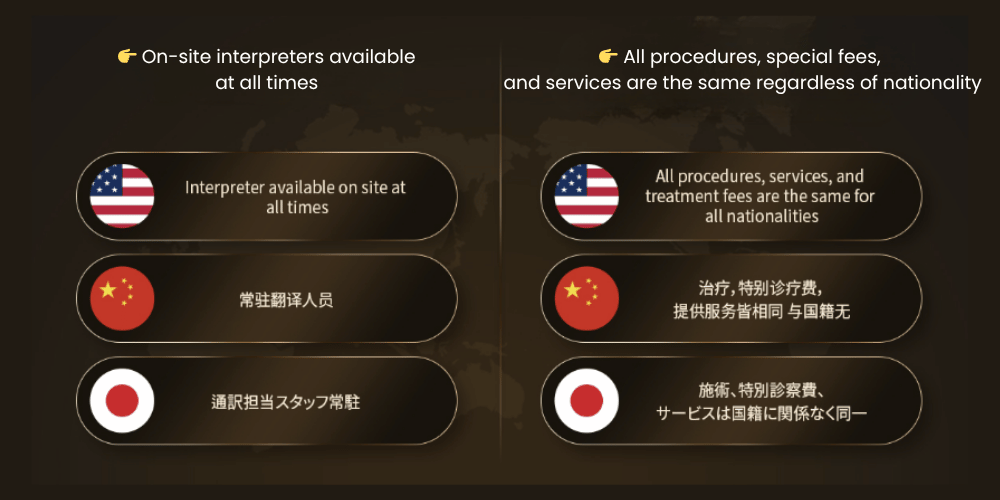
How to Communicate Your Skin Goals If You Don’t Speak Korean In 2026, "The Language Barrier" is no longer a valid reason to skip a world-class skin treatment in Seoul. While most top clinics in Gangnam and Hongdae now employ dedicated English-speaking coordinators, the most successful consultations happen when you use a combination of digital tools and "Universal Aesthetic Terms." Communicating your goals effectively is about being precise—moving beyond "I want better skin" to "I want to improve my deep-layer hydration and target sunspots." The 2026 "Power Tool": Papago Forget general translation apps; in 2026, Papago is the undisputed king for medical tourism in Korea. The Image Feature: Use the "Image" button to take a photo of the clinic’s brochure or your post-care instructions. It translates medical terminology far more accurately than its competitors. The "Conversation" Mode: If a doctor is explaining a complex laser setting, use the split-screen conversation mode. It’s tuned for the nuances of the Korean language, ensuring "stinging" isn't translated as "painful." 👉 Pro Tip: Type out your main concerns in Papago before you arrive so you can show the screen to the receptionist immediately. Use the "Global Aesthetic Vocabulary" Many modern treatments in Seoul use English-based names. Using these specific terms will get you faster, more accurate results than describing them: "Glass Skin": For a high-shine, hydrated look (usually achieved via LDM or Skin Boosters). "V-Line": For jawline contouring (InMode, Shurink, or Botox). "Embossing": To describe the tiny bumps after a Rejuran Healer treatment (ask: "How long will the embossing last?"). "Downtime": The universal word for recovery time. Ask: "What is the downtime for this laser?" The "Visual Board" Method Visuals are the most reliable way to bypass a language gap. Point to the Scan: When you do your 3D skin analysis (like Janus or Mark-Vu), don't just look at the numbers. Point to the specific "redness" or "pore" zones on the screen and say "This part is my concern." Reference Photos: Bring 2–3 photos of your skin at its best. If you have a specific celebrity "glow" you admire, show it, but be realistic—doctors prefer you point to a specific texture rather than a different face shape. Draw It Out: If you are getting Botox or Fillers, don't be afraid to ask the doctor to draw the "Injection Map" on your face with a white pencil so you can see the placement before they start. Keywords for Your Consultation If you want to sound like a local pro, keep these core goals ready: "Hydration & Glow": For dry, dull skin (Ask for Muri-gwang). "Lifting & Firming": For sagging or fine lines (Ask for Lifting). "Pigmentation & Tone": For sunspots or acne scars (Ask for Toning). "Pore & Texture": For large pores or uneven skin (Ask for Mo-gong). 👉 Note: Most 2026 clinics have English menus, so you can literally point to the service name and the price. The "Two-Way" Confirmation To avoid any "Lost in Translation" moments, always use the Echo Method : The coordinator explains the plan. You repeat it back simply: "So, Day 1 is Pico Laser, no downtime, and ₩200,000. Correct?" Wait for their "Yes" before signing the consent form. 👉 Strategy: If a coordinator is pushing a "Package," ask them to write down the individual steps in English. If they can't explain it simply, it might not be the right treatment for you. Using the "English-Speaking Coordinator" In 2026, most Gangnam clinics have "International Departments." Ask for Support: When you book via WhatsApp or KakaoTalk, specifically ask: "Will an English speaker be available during my talk with the doctor?" The Bridge: The coordinator isn't just a translator; they are your advocate. If you are nervous about pain, tell the coordinator, and they will ensure the doctor applies extra numbing cream. Checking "Post-Care" via QR Codes Most high-end clinics now provide a QR code on your exit paperwork. What's inside: These often lead to an English-language PDF or video explaining how to wash your face and which creams to avoid. The "Emergency" Chat: Most clinics keep their WhatsApp or KakaoTalk lines open for 24 hours. If you have a question after you leave, just send a photo of your skin and ask "Is this normal?" in English. Final Thoughts Communication in a 2026 Seoul clinic is a partnership between technology and preparation. By using Papago for the details, Visual Boards for the goals, and English Keywords for the treatments, you can get exactly the results you want without knowing a word of Korean. The best doctors in Seoul are used to international patients; they speak the universal language of "Good Results." Just be clear, be visual, and don't be afraid to ask for a second explanation!
April 6, 2026
What to Bring to Your Appointment: The 2026 Checklist In 2026, the preparation for a Seoul skin clinic visit has become more data-driven and digital. While the "Medical Aesthetic Tax Refund" program officially expired on January 1, 2026, your passport remains the most critical item in your bag for legal medical registration. Beyond just identification, bringing the right "Skin History" can significantly improve your results by helping the doctor avoid ingredient conflicts and over-treating areas that have recently been touched by other lasers or fillers. 1. The Physical Passport (Non-Negotiable) Even though the government tax refund for cosmetic procedures has ended, a physical passport is still a legal requirement for international patients in 2026. Why You Need It: Clinics are required by the Ministry of Health and Welfare to verify the identity of every foreign patient for medical records and safety protocols. Digital Copies: While some clinics may accept a high-quality photo of your passport for the initial check-in, the physical document is usually required for the final payment and to verify your entry date into Korea. 👉 Note: Keep your passport handy even if you aren't expecting a tax refund; it’s your key to being treated as a registered international patient. 2. Your "Active" Skincare List The doctors in 2026 are increasingly cautious about "Skin Barrier Sensitivity." Bringing a list of your current products is essential. The "Stop List": Be ready to tell the doctor if you have used Retinol, Tretinoin (Retin-A), Accutane, or Vitamin C in the last 7 days. These make your skin hypersensitive to lasers. The Photo Method: Don’t bother writing everything down. Simply take a photo of the "Ingredients" label on the back of your primary serum and moisturizer. Post-Care Compatibility: The clinic needs to know if your at-home products will conflict with the medical-grade ointments they prescribe after your session. 3. Previous Procedure History (The "Treatment Map") In 2026, "Skin Stacking" (layering different treatments) is common, but it requires precise timing. The "Filler Log": If you have had fillers in the last 6 months, you must disclose the brand (e.g., Juvederm, Restylane) and the exact location . Lasers like Thermage or Ultherapy generate heat that can affect how quickly certain fillers dissolve. Laser History: If you had a laser treatment in your home country (or another Seoul clinic) in the last 4 weeks, tell the doctor. Over-treating can lead to "PIH" (Post-Inflammatory Hyperpigmentation). 4. Payment Methods: 2026 Standards While Seoul is almost entirely cashless in 2026, international travelers should have a backup plan. Credit Cards: Visa and Mastercard are accepted everywhere. American Express is widely accepted in Gangnam but can be hit-or-miss in smaller Hongdae clinics. Apple Pay: Now widely available in major Seoul clinics. Cash (KRW): Some clinics offer a small "Cash Discount" (usually 3–5%), but remember that you won't be able to get a tax refund on this at the airport anymore. 👉 Pro Tip: Inform your bank that you are in Korea! High-value aesthetic treatments often trigger "Fraud Alerts," which can be embarrassing at the checkout counter. 5. Reference Photos (The "Vibe" Board) Don't just say "I want a glow." Show them exactly what you mean. The "Before" Photo: Bring a photo of your skin at its best (and worst) so the doctor understands your baseline. The Goal Photo: If you are seeking "Glass Skin" or a specific "V-Line" contour, bring 2–3 photos of the look you are aiming for. Filtered vs. Unfiltered: Doctors in 2026 prefer unfiltered photos. Showing a highly filtered AI image can lead to unrealistic expectations and incorrect treatment plans. 6. Post-Treatment "Exit Gear" You will likely leave the clinic with some redness or "embossing" bumps. The "Shield" Hat: Bring a wide-brimmed bucket hat or a baseball cap that doesn't press against your forehead. A Clean Silk Mask: If your skin is sensitive, the friction from a standard paper mask can be irritating after a laser session. Sunglasses: Especially if you are getting treatments around the eyes or Botox near the brow, which can leave you light-sensitive for an hour or two. 7. Digital Navigation Tools Naver Map / KakaoMap: Ensure these are downloaded and set to English. Papago: This is the best translation app for 2026. You can use its "Camera" feature to instantly translate the complicated Korean instructions on your post-care cream or prescription. Power Bank: Between the navigation and the "After" selfies, your phone battery will drain quickly. Final Thoughts Being prepared for your 2026 Seoul clinic visit isn't just about your passport—it's about providing the doctor with the data they need to treat you safely. By bringing your product list, treatment history, and a physical passport, you ensure that your consultation is efficient and your results are optimized. Pack light, but pack smart!
April 6, 2026
Combining Skincare with Shopping in Myeongdong: A Day Itinerary In 2026, Myeongdong has reclaimed its title as the ultimate "One-Stop Shop" for international travelers. While Gangnam is for surgical precision, Myeongdong is the capital of high-efficiency, "Skin-and-Shop" tourism. The district has evolved into a high-tech beauty playground where you can get a professional laser treatment in the morning and spend the afternoon testing the latest viral products from Olive Young. To maximize your day, you must time your clinic visit perfectly to avoid the evening crowds while leaving enough energy for a multi-floor shopping haul. 10:00 AM – The "Morning Glow" Appointment Start your day early at one of Myeongdong’s specialized "Global-Hybrid" clinics. The Strategy: Book your appointment for the opening slot. Myeongdong clinics are famous for their speed; a "Full Skin Reset" (Pico Toning + Aqua Peel + Cryo-Soothing) typically takes just 90 minutes. Why Morning? You’ll avoid the heavy afternoon tourist rush and get your treatment done while your skin is freshest. Treatments to Choose: Focus on "No-Downtime" procedures. In 2026, LDM Water Toning and Yellow Toning are the top choices for shoppers who want an instant glow without redness. 12:00 PM – The Post-Clinic "Skin-Friendly" Lunch After your treatment, your skin needs hydration and antioxidants. The Menu: Skip the salty street food for now. Head to a traditional Samgyetang (Ginseng Chicken Soup) or Bibimbap spot. These dishes are packed with collagen-boosting nutrients and won't cause the facial flushing that spicy food might trigger post-laser. Location: Look for the quiet, second-floor restaurants tucked away from the main walking street to give your face a break from the wind and dust. 1:30 PM – The "Mega-Store" Strategy (Olive Young) In 2026, the Olive Young Myeongdong Flagship is a multi-story experience that requires a plan. The Mission: Use this time to buy your "Post-Care" essentials. Look for products with Cica (Centella Asiatica) , Panthenol , or PDRN to support your morning treatment. The 2026 Tech: Use the in-store digital kiosks to scan your skin and get product recommendations that match your clinic results. 👉 Pro Tip: Bring your passport! Myeongdong’s Olive Young offers Immediate Tax Refunds at the dedicated "Global Counter" on the upper floor. 3:30 PM – Brand-Specific Boutique Hopping Myeongdong is home to unique "Experience Centers" for major K-Beauty brands that you won't find anywhere else. Laneige / Hera / Sulwhasoo: Many of these flagship stores now offer 15-minute "Mini-Consultations" or "Custom Foundation Mapping" using AI. The "Rest" Stop: These boutiques often have quiet, aesthetic lounge areas where you can sit and rest your feet (and your skin) in a temperature-controlled environment. 5:30 PM – The Street Food & Accessory Loop As the sun goes down and the Myeongdong night market carts appear, it’s time for the "Fun" shopping. Accessory Shop: Visit a massive "Wall-to-Wall" earring and hair accessory shop (like Nyunyu ) to find trendy pieces that complement your new glow. Street Food: Now that several hours have passed since your laser, you can enjoy the famous Myeongdong Egg Bread (Gyeran-ppang) or Grilled Cheese Lobster. 👉 Warning: If you had Botox or Filler in the morning, avoid the "Spicy Rice Cake" (Tteokbokki)—excessive heat and spice can increase swelling. 7:00 PM – The "Final Shield" & Department Stores End your shopping spree at the nearby Lotte Department Store or Shinsegae . High-End Beauty: This is where you find the luxury K-Beauty brands like The History of Whoo . The Media Facade: In 2026, the Shinsegae Myeongdong facade is a world-famous digital art display. It’s the perfect backdrop for a "Post-Skincare" selfie once your morning numbing cream has fully worn off and your glow has settled. What to Pack in Your Myeongdong Bag To survive a full day of "Skin-and-Shop," keep these 2026 essentials in your tote: UV-Shielding Hat: Essential for the walk between the clinic and the shopping malls. Face Mist: A calming, mineral-water mist to keep your skin hydrated in the dry department store air. Portable Charger: You’ll be using Naver Map and Papago constantly to navigate and translate ingredient lists. Shopping Bag: Many Myeongdong stores now charge for bags; bring a foldable eco-bag for your hauls. Final Thoughts The perfect Myeongdong day is all about The Sequence. By getting your clinical work done in the morning and your heavy shopping done in the afternoon, you allow your skin to begin its healing process while you enjoy the city. In 2026, the smartest travelers don't choose between beauty and fun—they do both. Just remember to stay hydrated, keep out of the direct sun, and keep your passport ready for those sweet tax refunds!
April 6, 2026
How to Use Korean Apps (Kakao, Naver) to Find Clinic Locations In 2026, navigating Seoul’s aesthetic landscape requires moving beyond Google Maps, which remains limited in South Korea due to local data security laws. To find the exact building entrance for a clinic in Gangnam or Hongdae, you must use Naver Map or KakaoMap . These apps provide real-time updates on clinic hours, detailed subway exit numbers, and even the specific floor a clinic is located on. While both apps now offer robust English interfaces, they function best when you know the specific search "hacks" that locals use to verify a clinic’s legitimacy. Naver Map: The Foreigner’s Best Friend Naver Map is the most popular choice for international travelers in 2026 because of its superior English integration. The Setup: Download the app and immediately go to Settings > Language to select English. This translates the entire interface, navigation voice, and many major business categories. Searching in English: You can type "Dermatologist" or "Skin Clinic" directly into the search bar. However, for 100% accuracy, it is still recommended to copy and paste the Korean name or the 10-digit phone number of the clinic. The "Smart Around" Feature: Use the "Smart Around" (주변) button while standing in Gangnam to see the highest-rated clinics in your immediate vicinity, complete with user photos and English-translated blogs. KakaoMap: The Precision Specialist Many frequent visitors prefer KakaoMap for its clean 3D interface and integration with the Kakao ecosystem. The "Vector" Advantage: KakaoMap’s 3D view is incredibly helpful for finding clinic entrances in "Medical Towers," which often have multiple doors. Integrated Services: If you find a clinic on KakaoMap, you can book a Kakao T (Taxi) directly to that location with one tap, ensuring the driver has the exact GPS coordinates. KakaoTalk Links: Most clinics will send you their location via a KakaoTalk link. Opening this link in KakaoMap is the most seamless way to ensure you are headed to the correct branch. Finding the "Red Plaque" Specialist Digitally You can verify if a clinic is run by a board-certified dermatologist directly within these apps before you even book. The Search Term: Search for the specific term "피부과 전문의" (Dermatology Specialist). The Verification: In the clinic's "About" or "Information" (상세정보) section on Naver Map, look for the list of doctors. Licensed specialists will have the title "Specialist" (전문의) clearly marked next to their name. Photo Proof: Check the "User Photos" section. Locals often upload photos of the clinic’s "Red Plaque" (the official metal certification) to confirm the clinic is not just a general beauty center. Navigating the "Medical Tower" Maze Clinics in Seoul are rarely on the ground floor; they are usually in multi-story "Medical Towers." Floor Maps: When you click on a building in Naver Map, it often lists a "Floor Guide." Use this to confirm if the clinic is on the 4th or 10th floor before you enter the elevator. Exit Numbers: Both apps provide a "Subway Exit" guide. If a clinic says "Exit 10, 1 minute walk," the app will show you exactly which stairway to take to emerge right in front of the building. 👉 Pro Tip: In Gangnam, many buildings have "East" and "West" wings. Check the app’s detailed address to see if a wing is specified. Checking Real-Time "Busy-ness" To avoid long wait times at "Factory Clinics," use the live data features available in 2026: Naver "Live" Data: Some larger clinics now show a "Busy" or "Normal" status on their Naver profile based on real-time traffic. Break Times: Most Korean clinics have a strict lunch break (usually 1:00 PM – 2:00 PM). Both apps will display a "Break Time" (브레이크 타임) warning so you don't arrive when the doors are locked. Using Papago for "Review Mining" While the app interfaces are in English, 90% of the user reviews remain in Korean. The Screenshot Hack: Take a screenshot of the Naver Map reviews and open it in the Papago app. What to Look For: Use Papago to search for keywords like "Kindness" (친절), "No Upselling" (과잉진료 없음), and "Result" (결과). This gives you the "unfiltered" local opinion that marketing brochures won't show. Digital Tax-Free Verification Some 2026 clinics allow you to check their "Tax-Free" status directly through the app. Keywords: Look for the "Tax Refund" (택스리펀) tag in the amenities section of the clinic’s Naver profile. Required Info: The app will often list if you need your physical passport or if a digital copy is accepted at their specific self-service kiosks. Final Thoughts In 2026, Naver Map is your primary tool for discovery and English navigation, while KakaoMap is your tool for precise entry and taxi integration. By mastering these two apps, you remove the stress of getting lost in Seoul’s vertical medical world. Don’t rely on your intuition—rely on the data. Download both, set them to English, and you’ll navigate Gangnam’s "Aesthetic Row" like a local!