Restoring a damaged skin barrier: Medical-grade K-beauty protocols
Restoring a damaged skin barrier: Medical-grade K-beauty protocols
In 2026, the obsession with "Glass Skin" has evolved into a focus on Barrier Integrity. A damaged skin barrier—often caused by over-exfoliation, harsh pollutants, or aggressive laser treatments—manifests as chronic redness, stinging, and "tight" dehydration. In Seoul, dermatologists have moved away from simple moisturizers toward Biological Reconstruction. These medical-grade protocols don't just sit on top of the skin; they use cellular "messengers" and ultrasound technology to physically repair the lipid bilayer and calm the internal inflammation that keeps the barrier weak.
Who Is Barrier Restoration Best For?
This protocol is a necessity for anyone whose skin feels "reactive" rather than just "dry":
- Post-Procedure Sensitivity: Skin that is red or peeling after intensive lasers or peels
- Chronic Rosacea & Redness: Those prone to flushing and visible capillaries
- Steroid-Induced Thinning: Skin that has become fragile due to long-term topical steroid use
- Urban Stress Damage: Exposure to "Fine Dust" and pollutants that degrade the acid mantle
- "Retinoid Burn": Over-processed skin from high-strength actives (Retinol, Vitamin C)
👉 Especially popular among international patients who have accidentally compromised their skin while trying a multi-step routine too quickly.
Key Benefits
- Instant Calming: Reduces transepidermal water loss (TEWL) and shuts down the "stinging" sensation.
- Cellular Messaging: Uses DNA-based ingredients to tell your skin to speed up structural repair.
- Inflammation Suppression: Cools down the "heat" in the dermis that prevents the barrier from closing.
- Micro-Circulation: Uses ultrasound to clear away inflammatory waste and bring in fresh nutrients.
- Onset: Relief from stinging is immediate; full barrier resilience is restored over 2–4 weeks.
👉 Summary: Best for reactive skin, redness, and post-laser recovery
The 2026 "Barrier Rescue" Toolkit
Seoul clinics utilize a combination of "bio-identical" fluids and non-thermal energy to fix the skin:
1. LDM (Local Dynamic Micro-massage)
- The Technology: Dual-frequency ultrasound that creates a "micro-massage" at the cellular level.
- The Goal: Unlike other lasers, LDM has zero heat. It balances the skin's pH and enzymes, making it the first step in treating any "angry" skin.
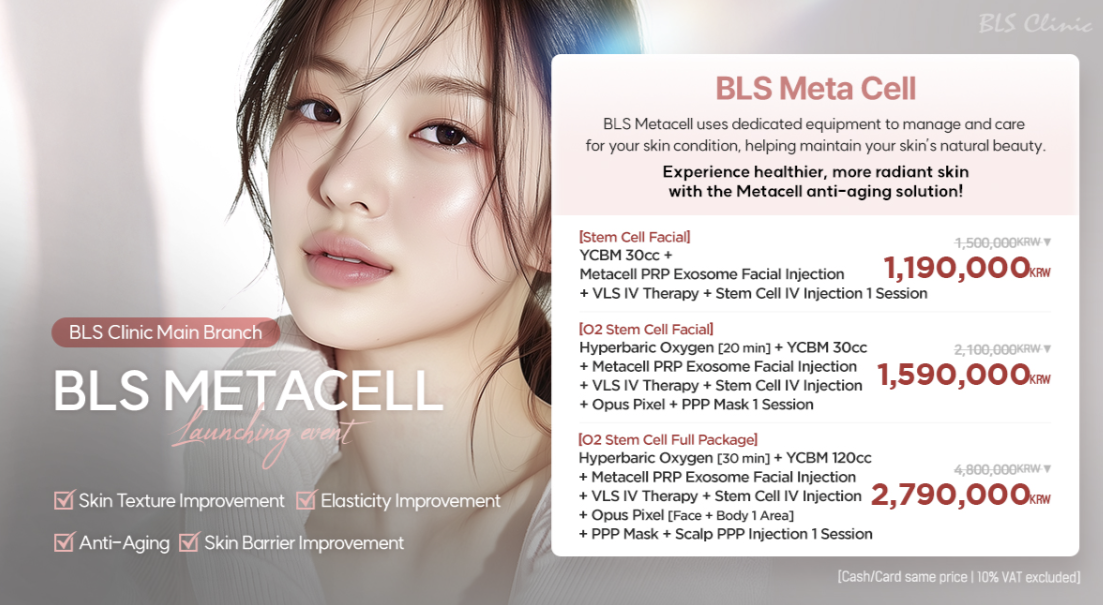
2. PDRN & Exosome Infusion
- The Technology: Salmon DNA (PDRN) or stem-cell messengers (Exosomes).
- The Goal: These are "instruction manuals" for your skin. They penetrate deep into the dermis to trigger the production of new ceramides and healthy lipids.
3. MLE (Multi-Lamellar Emulsion) Masks
- The Technology: Medical-grade dressings that mimic the skin’s natural lipid structure.
- The Goal: Provides a temporary "artificial barrier" so the skin underneath can heal without environmental interference.
Main Effects & Comparison
Home-Care Moisturizers (Ceramide Creams)
- Core Goal: Providing a temporary seal on the skin surface.
- Best For: Daily maintenance and preventing minor dryness.
- Key Result: Keeps the skin soft but doesn't fix deep-seated inflammation.
Clinical Barrier Protocol (LDM + Bio-Injections)
- Core Goal: Restarting the skin’s natural production of lipids and proteins.
- Best For: Severely compromised, stinging, or chronically red skin.
- Key Result: A permanent increase in skin thickness and resilience.
The Procedure Step-by-Step
- pH & Sensitivity Mapping: The doctor tests the skin’s current moisture levels and reactivity to determine the starting intensity.
- Gentle Scaling: A non-acidic, enzyme-based cleanse to remove debris without stripping the remaining natural oils.
- LDM Ultrasound: 20 minutes of calming micro-massage to reduce swelling and redness.
- Booster Infusion: Exosomes or PDRN are infused using a "Skin Fit" method (often via ultrasound or very shallow micro-injection).
- Cryo-Cooling: A sub-zero treatment to "lock in" the boosters and immediately constrict dilated blood vessels.
- Total Duration: Approximately 60 minutes.
Precautions & Aftercare
- The "Less is More" Rule: For the first 72 hours, stop all active ingredients (No Retinol, No Vitamin C, No AHA/BHA).
- Luke-Warm Only: Wash your face with room-temperature water; hot water is the enemy of a recovering barrier.
- Ceramide Loading: Use a medical-grade barrier cream every 4 hours if the skin feels dry.
- Mineral Sunscreen: Use only 100% Zinc or Titanium Dioxide-based sunblocks, as chemical filters can sometimes sting.
Estimated Pricing (In Korea)
- Single LDM Session: Approx. ₩100,000 – ₩200,000.
- Exosome / PDRN Infusion: Approx. ₩300,000 – ₩600,000.
- 3-Session "Recovery" Package: Approx. ₩800,000 – ₩1,500,000.
Why Get This Treatment in Korea?
- Philosophical Shift: Seoul is the world capital of "Slow-Aging," where doctors prioritize the health of the skin barrier over aggressive peels.
- Medical-Grade Formulations: Clinics have access to "Clinically-Only" ampoules with higher concentrations of PDRN than retail products.
- Post-Care Systems: The recovery-focused LED and cryotherapy systems in Korea are designed to bring skin back to a "zero-redness" state efficiently.
Final Thoughts
A damaged barrier isn't just a surface issue; it’s a sign that your skin is in a state of crisis. In 2026, you don't have to wait months for your skin to heal on its own. By utilizing the same regenerative technologies used in wound healing, Seoul’s medical protocols can turn "angry" skin into resilient, glowing skin in just a few sessions. If your skincare routine has started to sting, it’s time to stop the actives and start the restoration!