How to permanently shrink large pores: Korean clinic protocols
How to permanently shrink large pores: Korean clinic protocols
In 2026, the global shift in skincare has moved from "hiding" pores with primers to "remodeling" them at the source. While it is biologically impossible to completely remove pores—as they are essential for skin health—Korean clinic protocols have perfected the art of Pore Minimization. By targeting the three main culprits (excess sebum, loss of elasticity, and structural damage), Seoul’s top dermatologists can shrink the visibility of pores so significantly that the skin appears naturally airbrushed.
Who Are These Pore Protocols Best For?
Korean pore treatments are designed for those whose concerns have outgrown standard facials and over-the-counter BHAs:
- "Orange Peel" skin texture caused by chronic oiliness and sun damage
- Sagging pores (Y-shaped pores) that look like tiny tears due to loss of collagen
- Persistent blackheads and congestion that keep the pore walls stretched open
- Post-acne texture where the skin surface remains uneven and pitted
- International travelers looking for a long-term "skin reset" during their visit
- Patients with "Glass Skin" goals who want a smooth, light-reflecting surface
👉 Especially popular among professionals and creators in their 20s to 50s who want to reduce their reliance on heavy foundation.
Key Benefits
- Root Cause Targeting: Regulates the sebaceous glands to stop the constant "stretching" of the pore from oil.
- Structural Reinforcement: Rebuilds the collagen "collar" around each pore to keep it tight and circular.
- Surface Polishing: Smooths out the rough edges of pores for better light reflection.
- Dual Action: Most protocols combine physical remodeling with deep hydration boosters.
- Onset: Smoother texture within 1 week; permanent pore tightening peaks after 3 sessions.
👉 Summary: Best for oily skin, aging-related pore sagging, and texture refinement
The 2026 Protocol: "The Triple Pore Lock"
In Seoul, clinics rarely use a single laser. They follow a synergistic protocol often referred to as the "Triple Lock":
1. Thermal Regulation (Potenza or Sylfirm X)
- Technology: RF (Radio Frequency) Microneedling.
- The Goal: The needles enter the skin and deliver heat directly to the oil glands. This shrinks the gland and "shrink-wraps" the surrounding collagen, tightening the pore from the inside.
2. The "Fusion" Delivery (Juvelook or Exosomes)
- Technology: Using a specialized "pumping tip" on the RF device.
- The Goal: As the channels open, the machine uses air pressure to push skin boosters like Juvelook (a collagen stimulator) into the dermis. This "fills" the micro-gaps around the pores with new collagen.
3. Surface Refining (Laser Genesis or Pico Toning)
- Technology: Non-ablative laser pulses.
- The Goal: A "finishing touch" that gently heats the topmost layer to refine texture and eliminate the redness often associated with enlarged pores.
Main Effects & Comparison
Home Care (BHA/Niacinamide)
- Core Goal: Keeping the pore clear of debris.
- Best For: Daily maintenance and preventing blackheads.
- Key Result: Temporary cleanliness but does not change the physical size of the pore.
Korean Clinical Protocol (RF + Skin Booster)
- Core Goal: Physically shrinking the oil gland and rebuilding the pore wall.
- Best For: Permanent textural changes and chronic large pores.
- Key Result: Significant, long-term reduction in pore visibility and oil production.
The Procedure Step-by-Step
- AI Pore Analysis: High-tech cameras (like JANUS or Mark-Vu) measure your pore depth, sebum levels, and elasticity.
- Deep Scale (Aqua Peel): A vacuum-based exfoliation to ensure the pores are 100% empty before the treatment.
- Numbing: A potent cream is applied for 30 minutes to ensure the microneedling phase is comfortable.
- The "Lock" Treatment: The doctor performs the RF Microneedling (Potenza/Sylfirm) while infusing the chosen skin booster.
- Cryo-Soothing: Sub-zero cooling therapy is used to immediately close the channels and reduce redness.
- Total Duration: Approximately 60–90 minutes.
Precautions & Aftercare
- Downtime: Expect mild redness for 1–2 days. Some patients experience tiny "micro-crusts" that feel like sandpaper for 3 days; these should not be scrubbed.
- Avoid "Active" Skincare: Skip Retinol or Vitamin C for 5 days after the treatment to allow the skin to focus on collagen production.
- Intensive Hydration: The skin will be "thirsty" after RF treatment. Use a high-quality ceramide or hyaluronic acid cream twice daily.
- No Pores are "Open": Contrary to the myth, pores don't open and close like windows—they are always "open." The goal of aftercare is to keep the surrounding skin plump and hydrated so the pores appear smaller.
Estimated Pricing (In Korea)
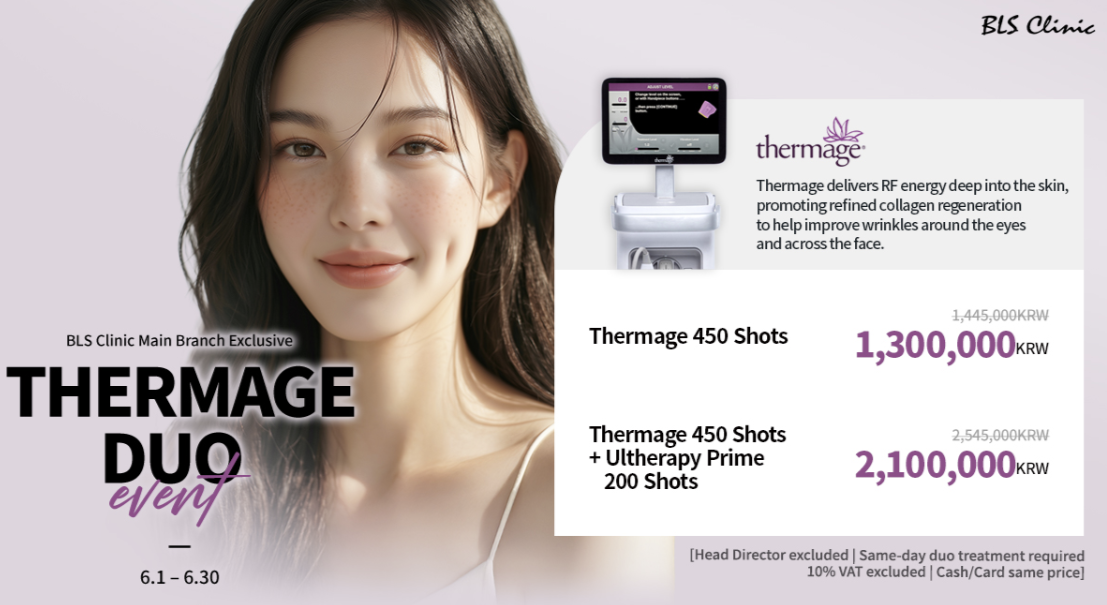
- Full Face Potenza (RF Microneedling): Approx. ₩300,000 – ₩600,000.
- Pore Booster Add-on (Juvelook/Exosomes): Approx. ₩200,000 – ₩400,000.
- The "Pore Eraser" 3-Session Package: Approx. ₩1,200,000 – ₩2,000,000.
Why Get Pore Treatment in Korea?
- Customization: Korean doctors don't use "one size fits all" settings. They adjust needle depth to the micrometer based on whether your pores are caused by oil or by sagging.
- Pioneering Technology: Devices like Potenza were popularized in Korea, giving local doctors the most clinical experience with "Fusion" delivery.
- Cost-Efficiency: You can receive a premium "Stacked" protocol in Seoul for less than the cost of a single-laser session in many other global hubs.
Final Thoughts
Large pores can feel like a lifelong battle, but in 2026, the solution is structural, not just topical. By combining heat energy to control oil and skin boosters to rebuild collagen, the Korean approach offers a way to finally "turn off" the factors that keep pores visible. If you are looking for a smooth, refined complexion that holds up under the sun and the camera, a customized pore protocol in Seoul is the ultimate skincare investment.