How currency exchange rates affect your medical tourism budget
How Currency Exchange Rates Affect Your Medical Tourism Budget
When planning a medical trip to Seoul in 2026, the "true cost" of your procedure isn't just the price tag on the clinic's menu—it is heavily dictated by the strength of your home currency against the Korean Won (KRW). Small fluctuations in the exchange rate can either buy you an extra session of Skin Boosters or significantly inflate your total travel costs. Understanding how to navigate these shifts is as essential as choosing the right doctor.
- The 2026 Trend: As of April 2026, the Korean Won has shown significant volatility. While this can make high-end surgeries more affordable for those with strong currencies (USD, EUR, AUD), it requires precise timing for those on a strict budget.
- The Reality: Most clinics quote in KRW, meaning your final credit card statement will depend on the "Market Rate" at the exact moment of your swipe.
Who Should Watch the Exchange Rate?
While everyone benefits from a weak Won, certain travelers need to be more strategic:
- High-Ticket Surgery Patients: If you are spending ₩5,000,000 to ₩15,000,000 on a facelift or rhinoplasty, a 5% shift in the exchange rate can save you over $500 USD.
- Budget-conscious "Quick-Fix" Travelers: Those coming for a "one-day" skin reset where every dollar counts toward their hotel and food budget.
- Repeat Visitors: Patients who come to Seoul every 6 months for Botox or fillers and want to "pre-buy" Won when the rate is favorable.
👉 Pro Tip: If your home currency is at a 1-year high against the Won, consider pre-paying your deposit to "lock in" the current value.
Key Benefits of a Weak Korean Won
A depreciating Won acts as an automatic discount for international patients:
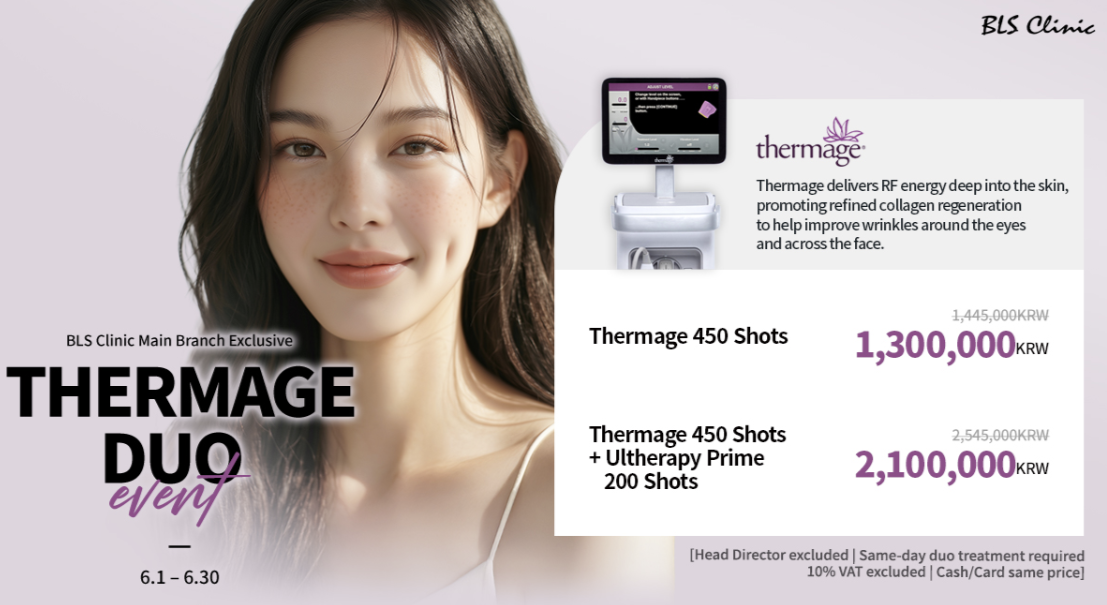
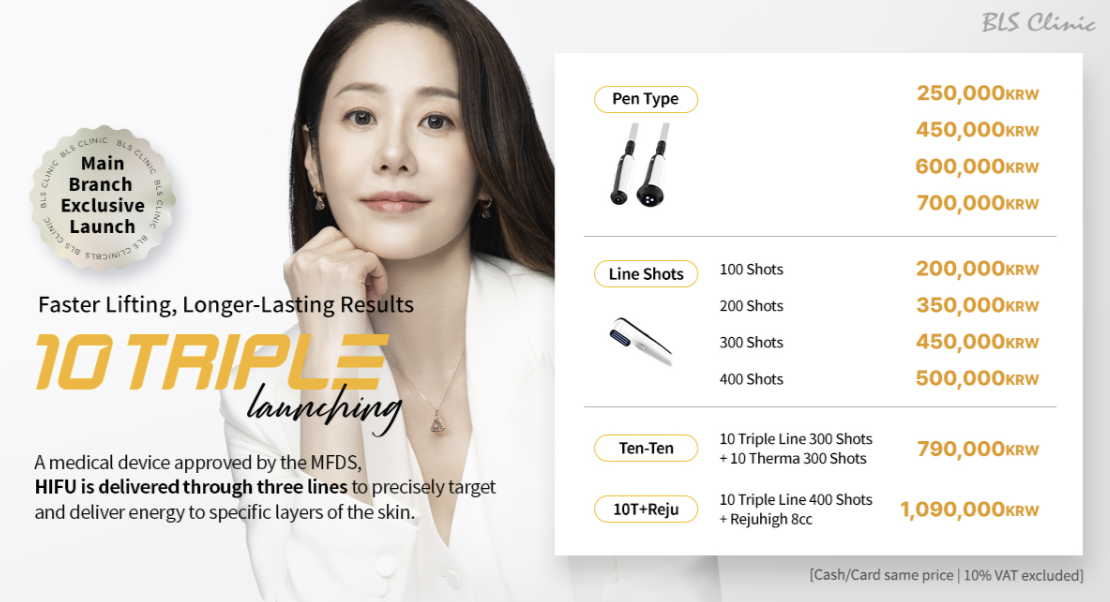
- Increased Purchasing Power: Your "Medical Budget" suddenly stretches further, allowing you to upgrade from a standard laser to a premium one (like Ultherapy).
- Lifestyle Upgrades: Savings on medical fees can be redirected into 5-star accommodations or high-end dining in Gangnam, which also become cheaper in your home currency.
- Shopping Spree Potential: Post-treatment recovery is much more enjoyable when luxury goods and K-cosmetics are effectively "on sale" due to the exchange rate.
👉 Summary: A weak Won means you get "more K-beauty for less money" without the clinic ever officially lowering its prices.
How Clinics Handle Foreign Currency
In 2026, most Seoul clinics are highly digitized, but their currency policies vary:
- KRW Only Policy: 90% of clinics require payment in Korean Won. If you try to pay in USD or AUD cash, they will often apply a very poor "In-House" exchange rate that favors the clinic.
- Dynamic Currency Conversion (DCC): When you swipe your card, the terminal might ask if you want to pay in "USD" or "KRW." Always choose KRW. Your home bank almost always offers a better conversion rate than the local terminal provider.
- Direct Invoices: Some luxury clinics provide invoices in USD for international wire transfers, but these are usually based on the "Selling Rate," which is slightly higher than the mid-market rate.
Typical Exchange Fees & Hidden Costs
Beyond the "Market Rate," you must factor in the "Cost of Exchanging":
- International Transaction Fees: Many credit cards charge a 1% – 3% fee for every purchase made in Korea. For a ₩10,000,000 surgery, this is an extra $200+ USD in fees alone.
- Cash Withdrawal Limits: Korean ATMs often limit withdrawals to ₩1,000,000 per transaction, and each withdrawal may trigger a fee from both the Korean bank and your home bank.
- Myeongdong vs. Airport Rates: Exchanging cash at Incheon Airport is notoriously expensive. Savvy travelers wait until they reach Myeongdong or Gangnam for the most competitive "Private Exchange" rates.
The Strategy: When to Exchange Your Money
- The "Wait and See" Approach: If the Won is trending downward, wait until you arrive in Seoul to pay your balance.
- The "Safety Lock" Approach: If the Won is exceptionally weak right now, use a digital travel card (like Revolut or Wise) to convert your budget into KRW immediately and hold it in a digital wallet.
- The Deposit Hack: Many clinics require a 10% deposit via PayPal or Wire Transfer. Be aware that these platforms often take a 4% – 7% cut through hidden exchange rate markups.
👉 Advice: For large surgeries, a direct SWIFT Bank Transfer often has a lower total fee than credit card or PayPal payments.
Pricing Shifts: Why Won Rates Change
In 2026, several factors influence the cost of your medical tour:
- Interest Rate Gaps: If the US or Australian central banks raise rates while Korea stays low, the Won weakens, making your trip cheaper.
- Export Strength: When Korea's tech exports are high, the Won tends to strengthen, making your medical procedures more expensive.
- Geopolitical Stability: Any tension in the region often causes a temporary dip in the Won, creating a short-term "Buying Opportunity" for travelers.
👉 Insight: Watching the news for 10 minutes before you book your flight could save you hundreds of dollars.
Comparison: Cash vs. Card vs. Travel Apps
- Cash (Physical): Good for small clinics or street food, but carrying thousands of dollars in cash is a safety risk. Best rates are found in Myeongdong private booths.
- Credit Cards: Convenient and offer "Consumer Protection," but watch out for those 3% foreign transaction fees.
- Travel Cards (Wise/Revolut): Usually the gold standard for 2026. They offer the "Real Exchange Rate" and allow you to pay at the clinic terminal just like a local card with zero fees.
👉 Verdict: Use a travel-specific digital card for the treatment, and keep a small amount of "Myeongdong Cash" for local spending.
Final Thoughts
In 2026, a smart medical tourist is also a smart "Currency Trader." By keeping an eye on the KRW/USD or KRW/AUD rates, you can effectively reduce the cost of your Ultherapy or Juvelook treatment by several hundred dollars without ever having to "haggle" with the clinic. Always pay in KRW, avoid airport exchange counters, and use a low-fee digital card to ensure that every cent of your budget goes toward your skin, not your bank's profits!