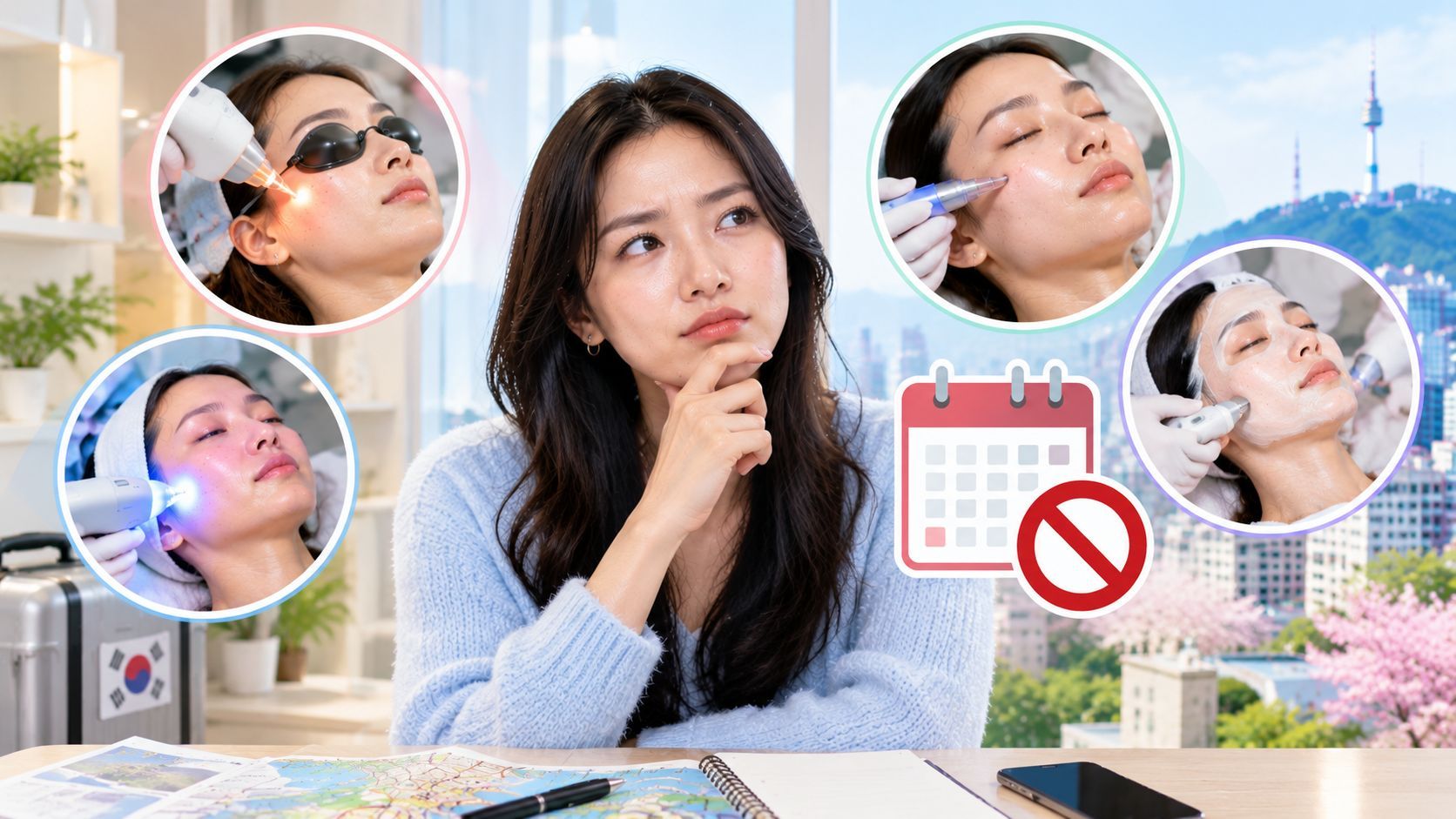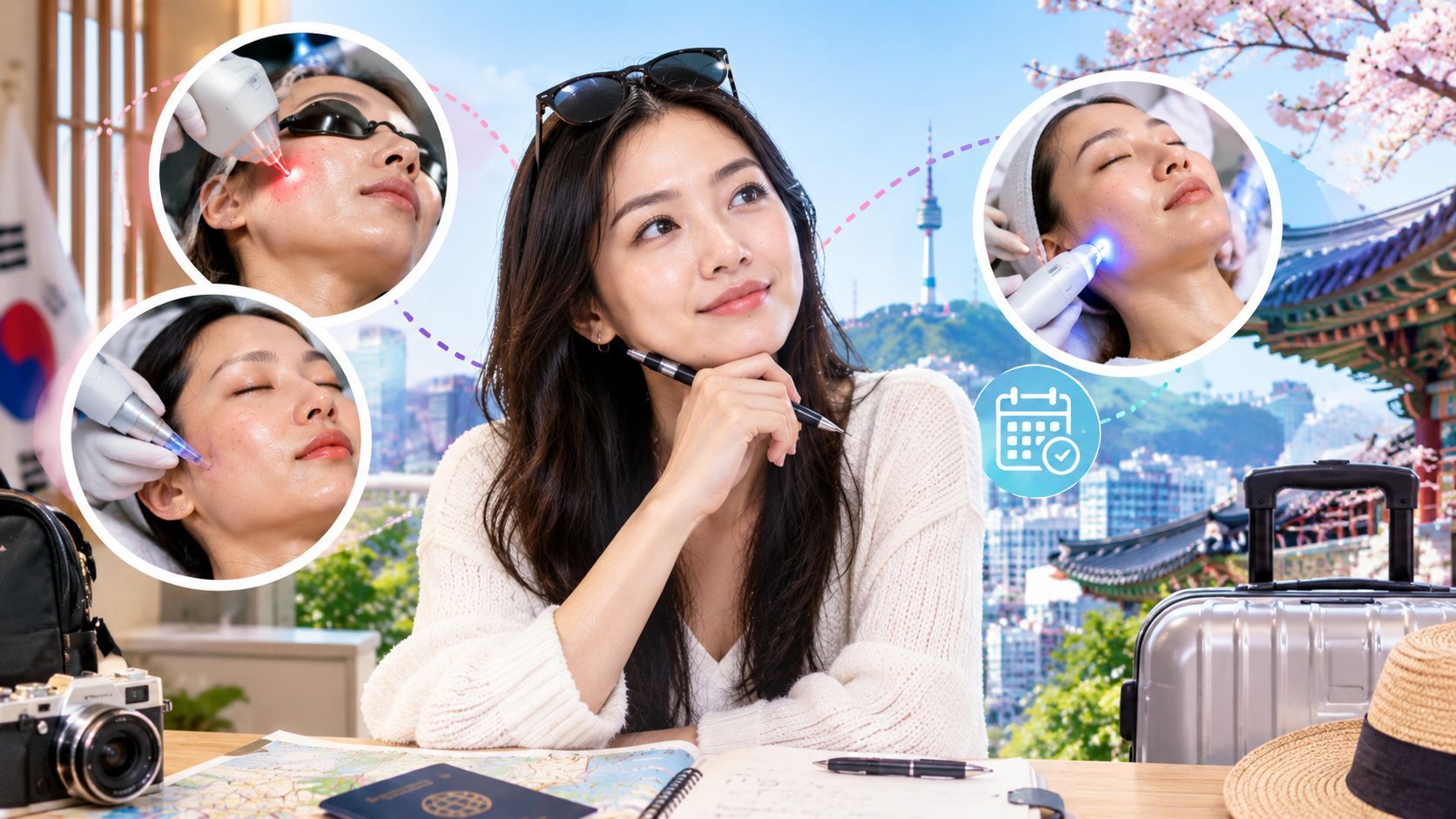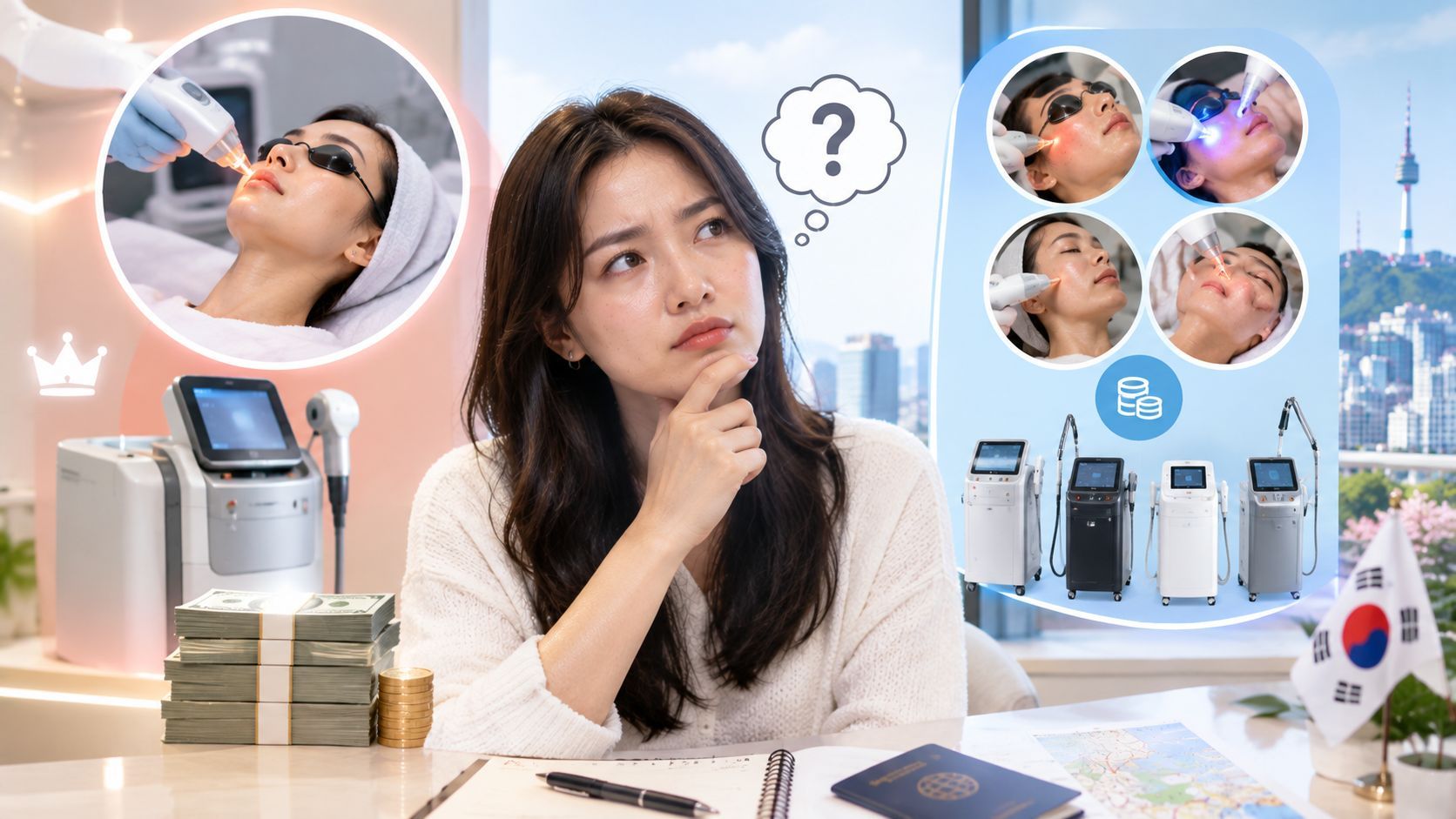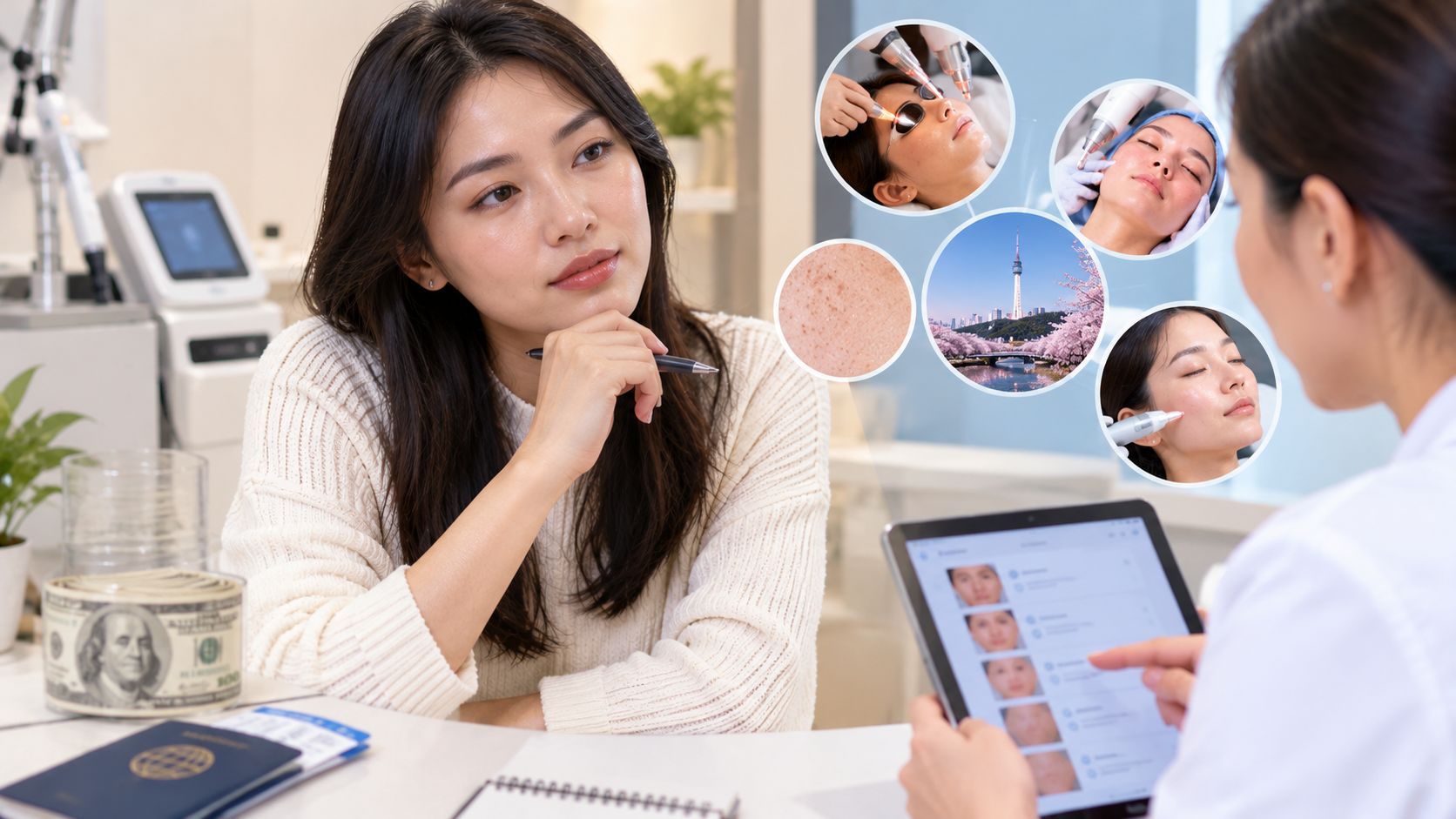
Chemical Peels vs. Laser Peels: Which is safer for sensitive skin
Chemical Peels vs. Laser Peels: Which is Safer for Sensitive Skin?
For those with sensitive skin, the word "peel" can be intimidating. Whether it's using acids or light energy, the goal is to remove dead skin cells and trigger regeneration. In 2026, the debate between Chemical Peels and Laser Peels (Laser Resurfacing) has shifted toward precision and barrier protection.
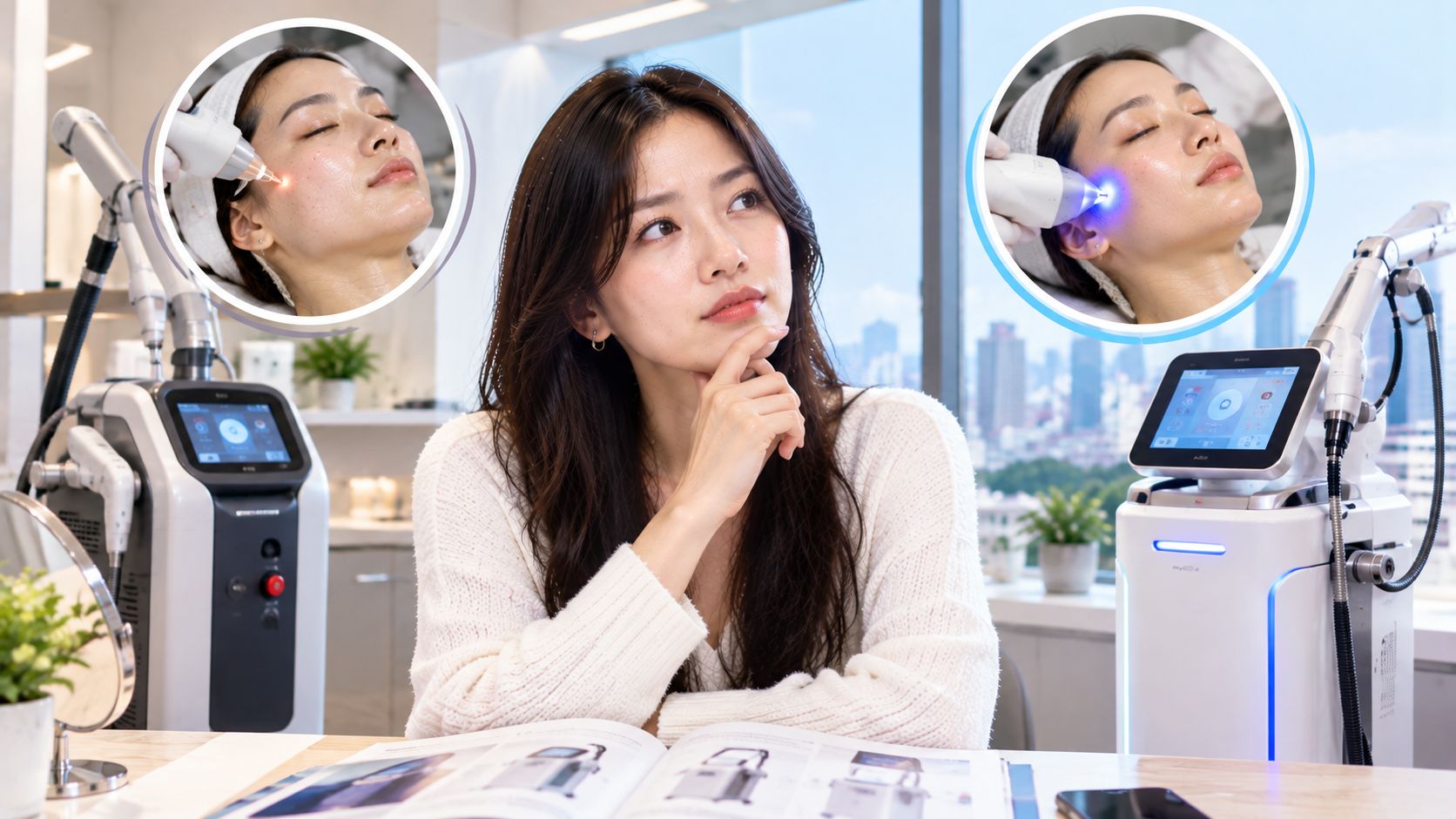
- Chemical Peels: Use liquid acid solutions (AHA, BHA, PHA) to chemically dissolve the "glue" holding dead skin cells together.
- Laser Peels: Use concentrated light energy (like Carbon Peels or Clear + Brilliant) to thermally exfoliate the skin and stimulate collagen.
Who Is Chemical Peel Best For?
Chemical peels are often the "entry-level" safety choice for sensitive skin, provided the correct acid is used:
- Very sensitive or reactive skin that flare up with heat (as lasers generate heat).
- Surface-level dullness and rough skin texture that prevents smooth makeup application.
- Individuals looking for affordable, frequent maintenance rather than a one-time intensive fix.
- Patients with Acne-prone but sensitive skin (specifically using BHA or Lactic acid).
- Those who prefer a gradual improvement without the "energy" impact of a laser.
👉 Especially popular in Seoul for the "Milk Peel" or "PHA Peel" (Water-tox), which focuses on hydration while exfoliating.
Key Benefits of Chemical Peels
- Customizable Strength: From "lunchtime" superficial peels to deep medical peels, the intensity is easily controlled by the acid concentration.
- No Heat Damage: Unlike lasers, there is no thermal energy, making it safer for those with heat-induced redness or Rosacea.
- Barrier-Friendly Acids: Modern "Next-Gen" acids like PHA (Polyhydroxy Acids) have larger molecules that exfoliate without stinging or deep penetration.
- Hydration Synergy: Many peels now include "moisture magnets" that hydrate the skin while removing dead cells.
- Onset: Immediate softness; glowing results in 1–3 days.
👉 Summary: Best for heat-sensitive skin, surface dullness, and budget-friendly glow.
Who Is Laser Peel Best For?
Laser peels are the "precision" choice for those who want deeper results with controlled safety:
- Moderate sensitivity with deep concerns like fine lines, sun damage, or mild scarring.
- Individuals who want "clean" exfoliation without the risk of an allergic reaction to liquid chemicals.
- Patients who want to target pigment and pores simultaneously with the peeling effect.
- Those seeking long-term collagen stimulation that a surface-level chemical peel cannot provide.
- People with oily-sensitive skin (The "Black Doll" Carbon Laser Peel is excellent for this).
👉 Particularly suitable for those in Seoul seeking the "Hollywood Peel" or "Pico Toning," which offers a clean finish with minimal contact time.
Key Benefits of Laser Peels
- Extreme Precision: Lasers can be adjusted to the exact micron of depth, ensuring the sensitive areas are treated with lower energy.
- Antibacterial Effect: The heat from certain lasers (like Carbon Peels) kills acne-causing bacteria and shrinks sebaceous glands.
- Minimal Chemical Risk: Since it uses light, there is zero risk of an "acid burn" or pH imbalance associated with chemical solutions.
- Deep Rejuvenation: Stimulates the dermis to thicken the skin over time, which can actually reduce sensitivity in the long run.
- Onset: Initial redness for 2–4 hours; "porcelain skin" effect in 3–5 days.
👉 Summary: Best for precision targeting, acne-prone oily skin, and deep collagen repair.
Main Effects & Comparison
Chemical Peel (The Surface Refiner)
- Safety Mechanism: Controlled pH levels and acid concentration.
- Best For: Overall brightness and "Water-glow" (Mulgwang).
- Risk: Potential stinging or barrier disruption if the acid is too strong.
Laser Peel (The Precision Rebuilder)
- Safety Mechanism: Controlled pulse duration and cooling systems.
- Best For: Pores, stubborn pigment, and structural skin density.
- Risk: Temporary heat-induced redness or swelling.
The Procedure Step-by-Step
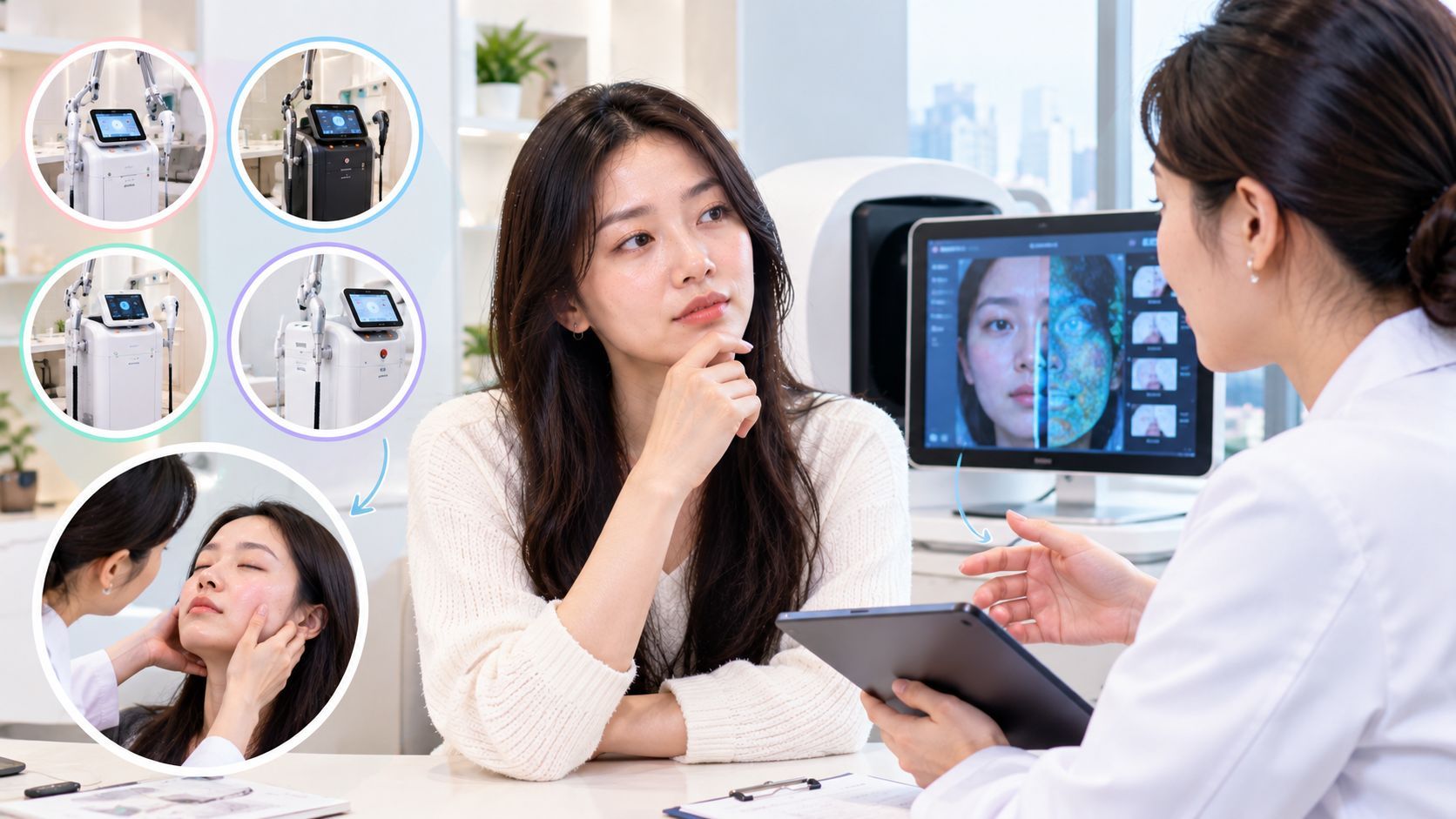
- Consultation: A skin analysis determines if your sensitivity is due to a "thin barrier" (Peel better) or "vascular redness" (Laser better).
- Preparation: Deep cleansing and, if doing a Laser Peel, the application of a carbon lotion or numbing cream.
- The Treatment:
- Chemical: The solution is brushed on and timed perfectly (usually 2–5 mins) before being neutralized.
- Laser: The laser handpiece passes over the skin, often accompanied by a cooling air stream.
- Post-Care: Application of a high-purity "Cica" (Centella) or EGF mask to immediately repair the skin barrier.
- Total Duration: 30–45 minutes.
Precautions & Aftercare
- Hydration First: For both treatments, the skin will feel "thirsty." Use a ceramide-rich cream twice a day.
- Sunscreen is Mandatory: Fresh skin is highly vulnerable to UV. Use SPF 50+ even indoors for the first 3 days.
- No Scrubbing: Avoid physical exfoliants or washcloths; be as gentle as possible during cleansing.
- Skip Actives: No Retinol or Vitamin C for at least 5–7 days post-treatment.
Estimated Pricing (In Korea)
- Premium PHA/Milk Peel: Approx. ₩80,000 – ₩150,000.
- Pico/Carbon Laser Peel: Approx. ₩120,000 – ₩300,000.
- Tip: Many Seoul clinics offer "Sensitivity Shield" packages that combine a gentle peel with LDM ultrasound for a faster recovery.
Why Get These Treatments in Korea?
- Specialized "Sensitive" Protocols: Korean clinics have pioneered the use of "Buffered" peels and low-energy laser settings specifically for Asian and sensitive skin types.
- Cryo-Cooling Technology: Every laser treatment in a top Gangnam clinic is followed by medical-grade "Cryo" machines that drop skin temperature instantly to prevent irritation.
- High-Purity Solutions: Whether it's the German LDM or Korean-made high-density PHA, you are getting the world's most stable aesthetic products.
- Tax Refunds: International tourists can claim a 10% VAT refund at the airport for these medical procedures.
Final Thoughts
Which is safer? If your skin is reactive to heat, a mild Chemical Peel (like PHA) is generally the safest path to a glow. If you have moderate sensitivity but want to fix pores and pigment, a Non-Ablative Laser Peel provides the precision you need without the risks of "guessing" with acids. In the heart of Seoul, the best approach is often a "Patch Test" first—ensuring your path to a glow is as safe as it is beautiful!